
能登を愉しむ
Enjoying Noto
Around the Irori
Gentle hours of conversation beside a century-old hearth
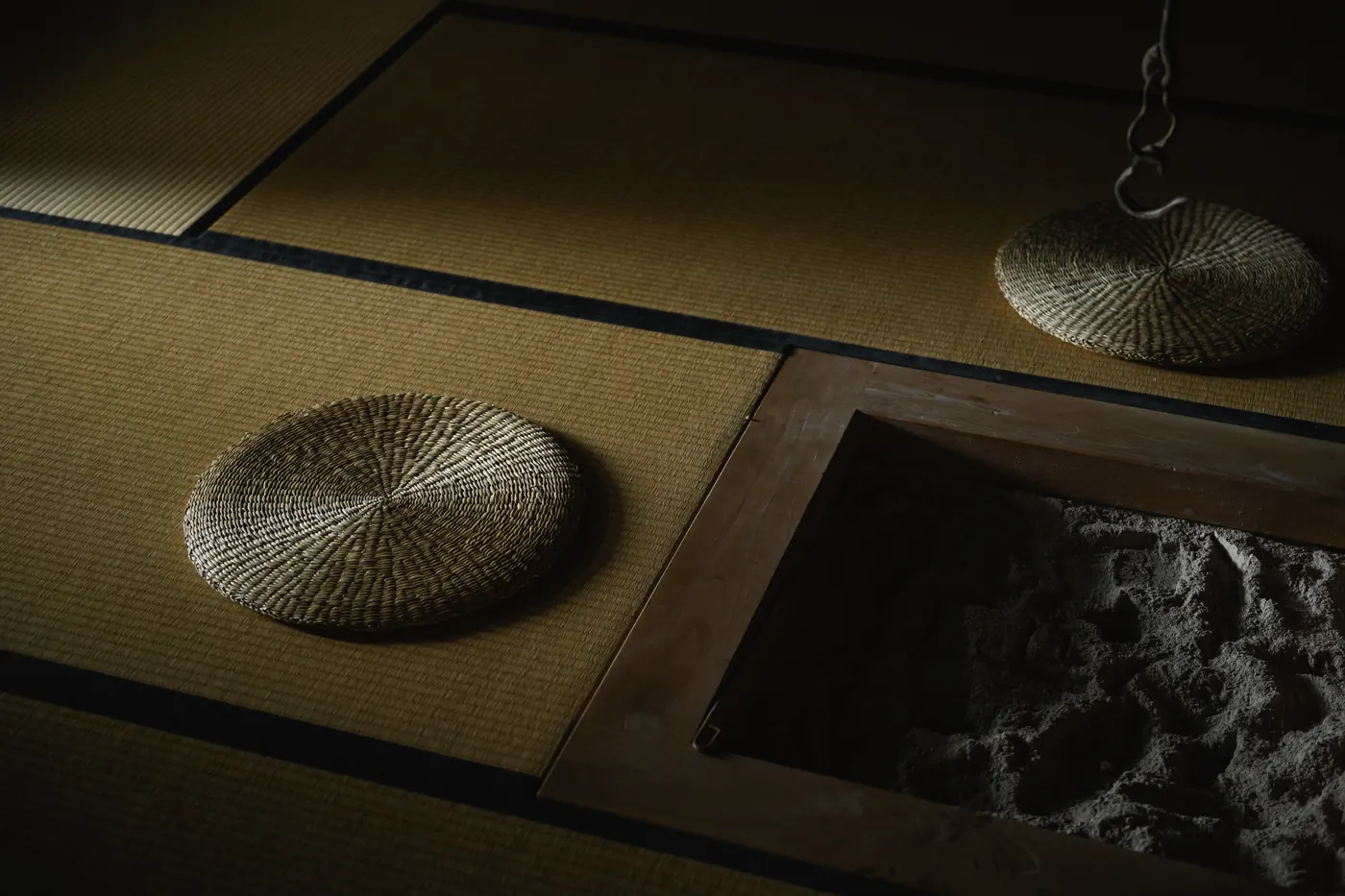
Norari's irori, a traditional sunken hearth set into the floor, has kept the same form since the house was built in 1923. The jizaikagi pot hook hanging from the ceiling, the polished hearth frame, the soot-darkened beams: a hundred years of memory live in this room.
Light the charcoal and the room fills with a soft warmth. Reach out your hands to warm them, sip tea from the iron kettle, or pour a glass of local Noto sake. Simply watching the flames, conversation naturally slows to an easy pace.
This is a place where neither television nor clock seems to matter. Gather around the fire until late into the night and spend the evening however you please.
Highlights
Information
Best time
After dinner until bedtime
Please note
Take great care when handling fire
Satoyama Walk
Rice terraces, woodland and clear streams: walking Noto's timeless landscape
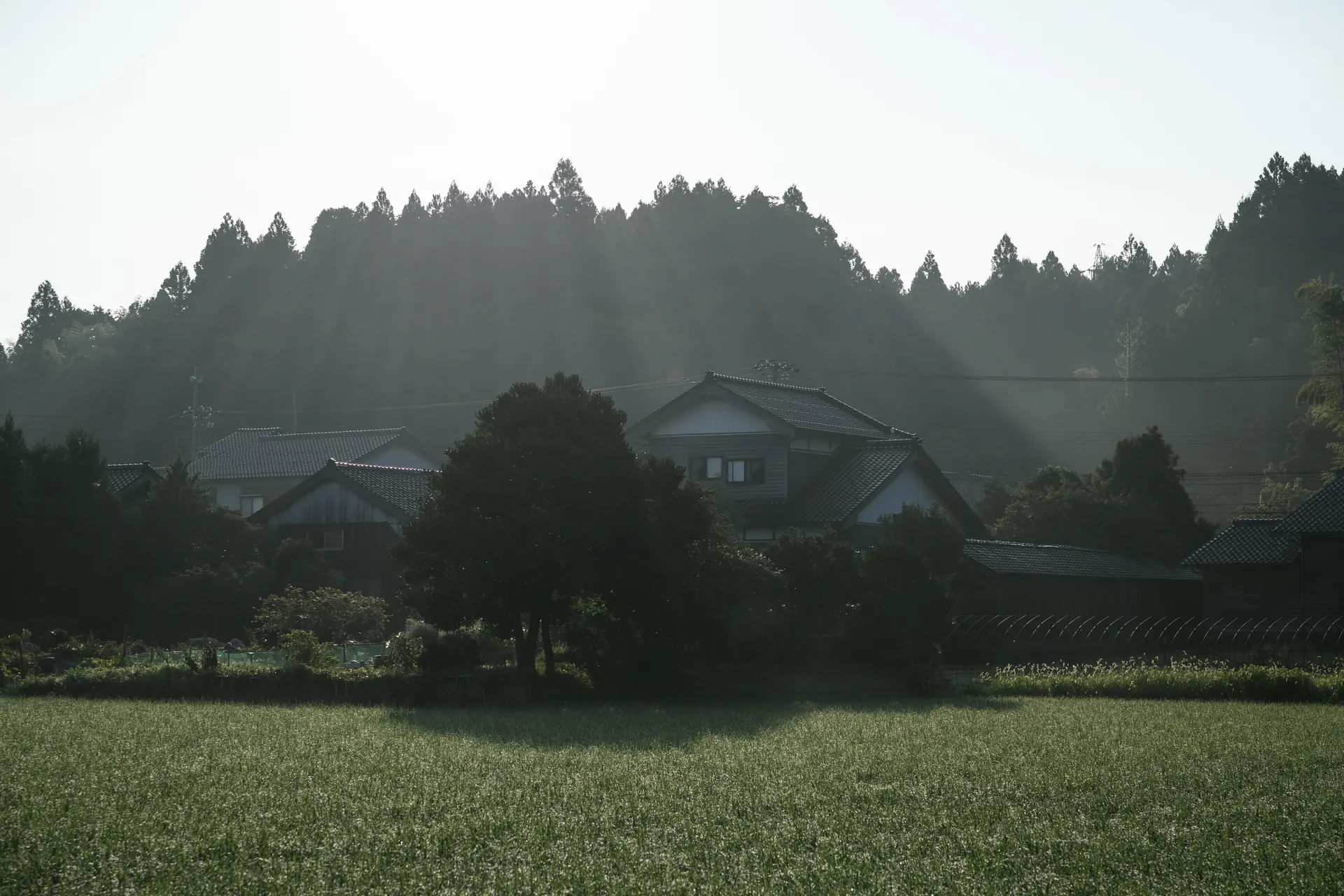
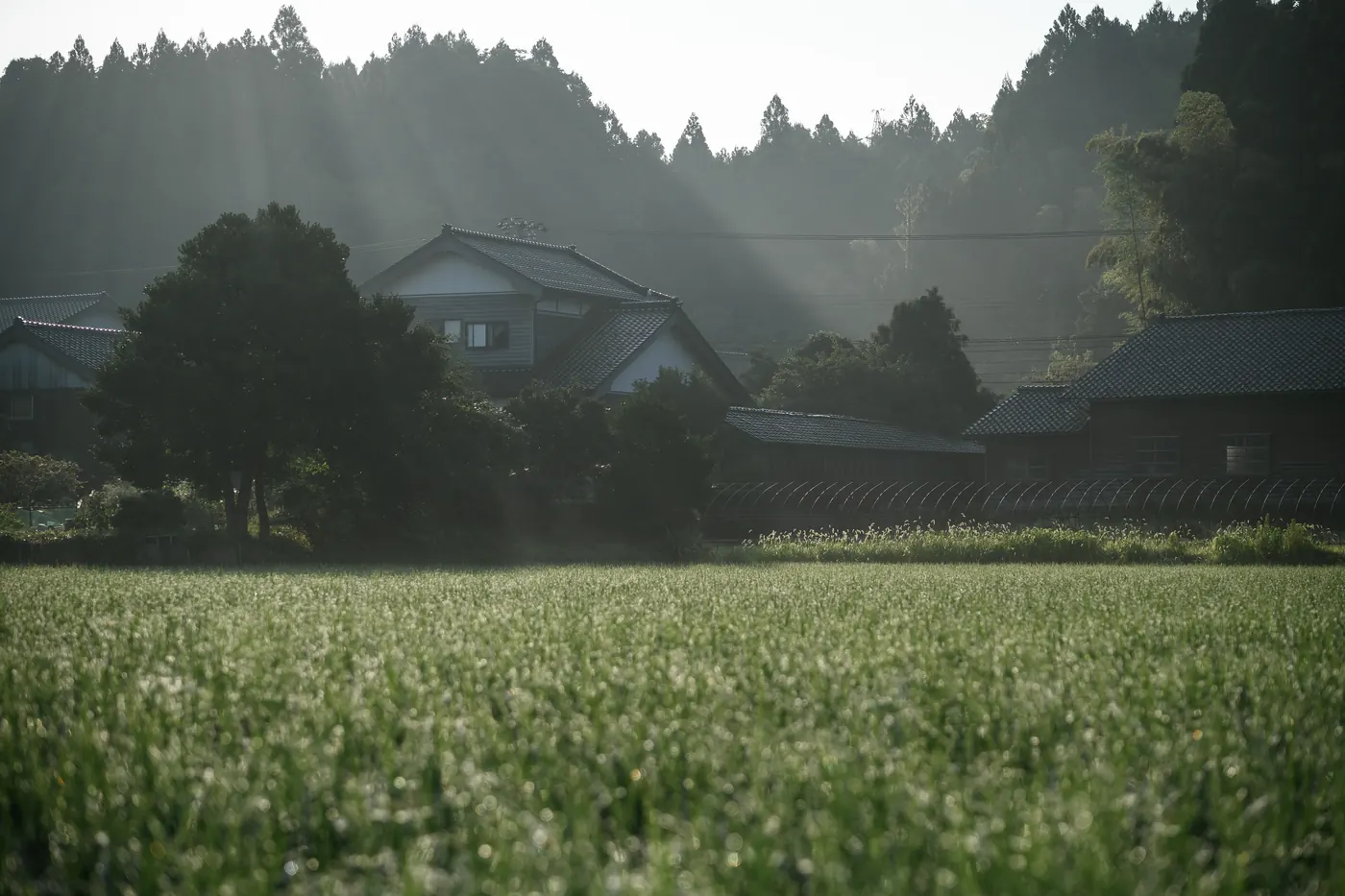
Norari sits amid Noto's satoyama and satoumi, the mosaic of farmed hills and coastal waters where people and nature have long lived side by side. Step out the front door and you are in a quintessentially Japanese landscape of paddies, coppiced woodland and clear-running streams.
In spring, gather wild mountain vegetables (kogomi fiddleheads, tara-no-me angelica buds, warabi bracken); in summer, trek beneath deep-green canopies dappled with light; in autumn, take in the contrast of golden rice terraces and crimson foliage; in winter, savour the hush of snow. Every season wears a different face.
Walk with local residents and hear the names of plants, the history of the land and stories of the creatures that live here. A wonderful nature experience for children, too.
Highlights
Information
Route
Self-guided walks
Best time
Early morning 6:00–7:30 / evening from 16:00
Noto Crafts
Touch a thousand years of craft and make something with your own hands
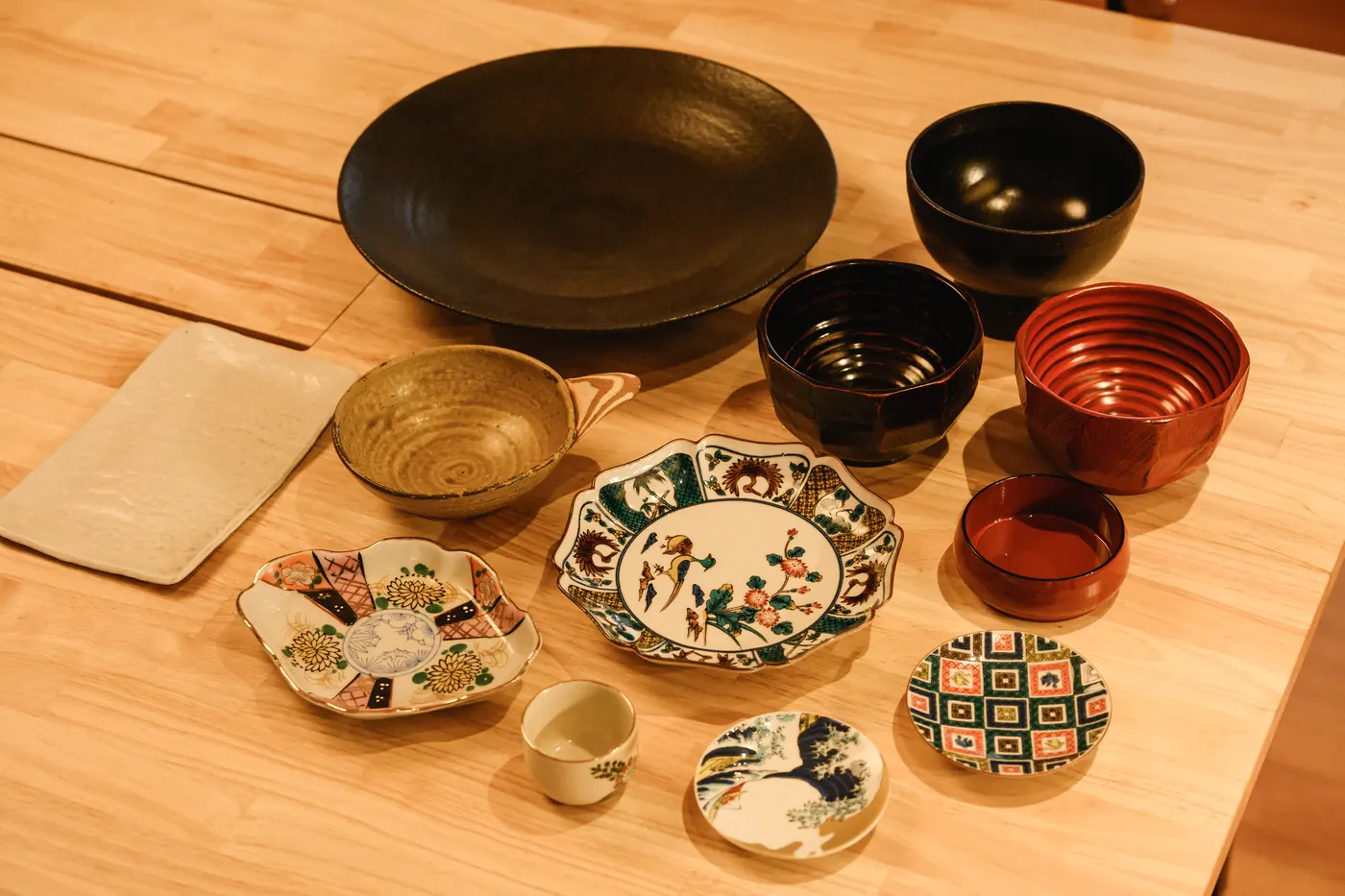
The Noto Peninsula is a treasure house of Japan's finest traditional crafts. Foremost among them is Wajima-nuri lacquerware, the pinnacle of Japanese lacquer with a history of more than 600 years. Its strength and beauty make it tableware for everyday use that lasts a lifetime.
Nearby you can try your hand at Wajima-nuri chinkin, the art of gold-inlay engraving (about 1 hour). An expert guides you through each step, so even complete beginners finish with a genuine piece of their own.
Beyond lacquerware, you can watch Noto Jofu linen being woven on the loom, try Japanese papermaking, and encounter other handcraft traditions found only in Noto.
Highlights
Information
Duration
Chinkin workshop approx. 1 hour
Fee
¥2,000–¥5,000 (varies by workshop)
Booking
At least 3 days ahead (our staff can book for you)
Access
15 min by car to the chinkin workshop venue

Morning Market
The bounty of Noto's sea and land, first thing in the morning
Mornings start early in Noto. Fresh seafood, sun-dried fish, vegetables, pickles, and the home-made flavours of the local women who run the stalls.
About 30 minutes by car from the inn, the Kadoshima fixed-net fishery lets you buy seafood straight off the boat. And in Noto Town, famed for its squid, you can enjoy the catch at its freshest.
Whatever you bring back from the market or harbour, you are free to cook in the inn's kitchen. Knives, cutting boards and all the utensils are ready and waiting. Let the ingredients speak for themselves, or take your time crafting a proper dish.
Highlights
Information
Access
30 min by car to the Kadoshima fixed-net fishery

Time moves through this house
just a little more slowly.
四季を纏う宿
Four Seasons
Each of Noto's four seasons has its own deep appeal.
Here is what to see and what is in season, month by month.

Spring
春
Spring in Noto
After the long winter, spring finally arrives in Noto. Cherry blossoms unfold in the garden, wild mountain vegetables push up through the soil, and the whole satoyama brims with new life.
Seasonal Taste
Live isaza (ice goby), blanched rapeseed blossoms, sweet amazake
Seasonal Taste
Wild vegetable tempura, bamboo-shoot rice, new-season Noto wakame
Seasonal Taste
Halfbeak sashimi, Noto fugu, first-flush green tea